If you do travel, you often want to try and find something unusual from a different culture in the country you are visiting. One of the best ways to do this is to try to eat the native food. Their tastes and we may differ, but the following foods, which may be considered strange for some of us, but would be considered a delicacy in other countries. Although these foods may seem like a form of 'extreme food' to us, but the food is very normal to eat these foods for the home country of origin.
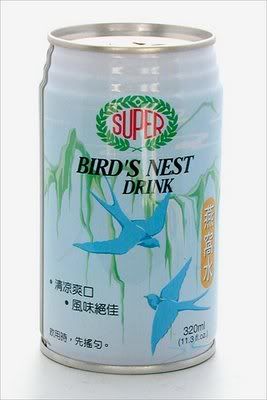
1. BIRD NEST SOUP - CHINA
Well, if it's food that has been frequently heard and there may be some of you are thinking, how edible bird's nest? Is not the bird's nest made of twigs and leaves? Oh no, this bird's nest made from bird saliva swallow. Swiftlet saliva is believed to be nutritious, lots of protein and minerals. This food is very expensive. Expensive because of a swallow's nest during the season kimpoi built during the 35 days and the nest can only be harvested at about three times a year. Nests are usually built in the coastal caves and collect the nest is a dangerous process that must be performed by an expert climber. In China, Swallow bird's nest soup is very famous. Food is often called the "caviar of the East".
2. FRIED Tarantula - CAMBODIA
If you suffer from Arachnophobia you may not want to try eating these eight-legged monster. They're not the kind of small spiders can be found in the ceiling of your home, they are a big tarantula and you can buy it in the streets Skuon, Cambodia. Whole fried tarantula - legs, fangs and all. They were first discovered by the people who suffer from hunger in Cambodia in a bloody incident by the Khmer Rouge. But now many tourists who come from afar to try this unusual food.
3. Puffer fish / fish Fugu / Pufferfishes - JAPAN
This is often called puffer fish Fish (West), Fugu Fish (Japan), or here is famous for durian bloated fish or fish if the fish are being disturbed, it will inflate its body is full of thorns - thorns. Spines of this fish is very deadly, so that you have to be careful if it does not want to end up in the morgue.
This fish is famous in Japan, although the highest enjoyment of the skin and the inside contains a toxin poisonous todrotoxin, which is 1250 times more powerful than cyanide. That is why in Japan only a licensed expert chef in a restaurant is allowed to prepare it. If not, you will become paralyzed while still conscious and ultimately died because of shortness of breath because there is no known antidote. You need to know that there lLima twelve people died in Thailand when it was created and cooked fish illegally and people start dying and then dead.
4. Balut - FILIPINA.
If you want to try this food, you will eat chicken and eggs at the same time. Boiled fertilized eggs before they hatch, so that the yolk seeping out, followed by fetal chicken (or duck). They are cooked when a fetus aged 17 days to 21 days depending on your request, the older the fetus, the fetus begins to have a beak, claws, bones and feathers. In the culture of the Philippines, Balut almost as popular as hot dogs in America and Balut traders would shout 'Baluuuuuuut' when they push their carts in the street. Balut is believed to increase libido and also a warm, full-protein snack. Balut is usually eaten with beer and with a little salt, lemon juice, black pepper and coriander, although some Balut eaters prefer chili and vinegar. How to eat Balut egg is opened, the broth is inhaled and then eat the yolk and the fetus.
5. Rotten cheese - Sardinia
SARDINIAN cheese cheese is full of insect larvae. "Casu Marzu" means "rotten cheese 'and is most commonly referred to as' cheese maggot'. Cheese is now banned because of health reasons but can still be available on the black market in Sardinia and Italy.
Sheep's milk Pecorino cheese basically, which already has cheese fly larvae, Piophila casei, was introduced to it. Fermentation occurs when the larvae to digest fat cheese, and the texture becomes very soft with some liquid seeping out. Cheese should be eaten when the maggots are still alive because when they die it is considered toxic.
Because the larvae can jump if they are disturbed, the visitor must protect their eyes or put cheese in a closed paper bag until the maggot is a lack of oxygen and die. Health issues arise in connection with Marzu Casu, including reports of allergic reactions and the dangers of consuming these poisonous cheese. There are also some cases that the risk of intestinal larval infection.
6. SURSTROMMING - SWEDEN
Herring caught in the spring when it was just about to lay eggs and fermented in barrels for one to two months before the cans where fermentation continues for a few months. Certain airlines actually serve food cans has been banned during flights, because they consider the high-pressure cans that will potentially open a can berbahaya.Bila a very strong smell like fermented fish will be smelled. Usually eaten with crispy flat bread and boiled potatoes.
Thursday, August 5, 2010
6 unique food in the world.
Friday, November 13, 2009


Monday, July 6, 2009
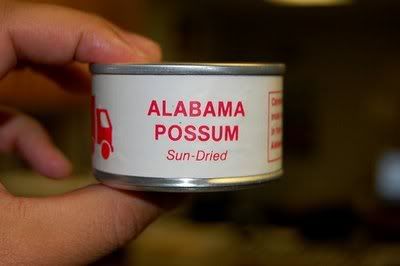
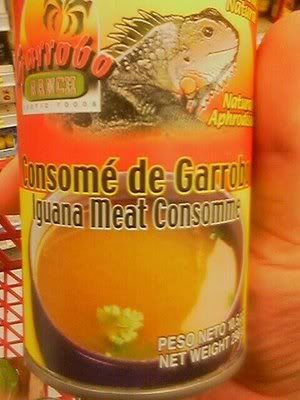
Ready for lunch?
Now That's Nifty has gathered some canned food items and prepared a picnic lunch for us.
So, if you're ready, let's eat!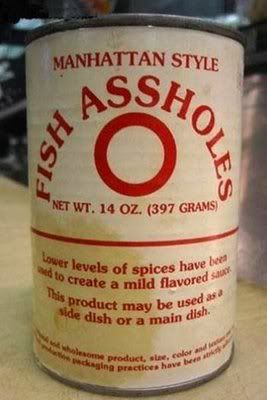
Monday, April 13, 2009
Wednesday, April 1, 2009
Relax, it's just foie gras
 Whatever else you want to say about it, at least acknowledge this: Foie gras, the fattened liver of a duck or goose, is truly, indisputably, delicious. Roasted whole, pan-seared, combined with brandy and turned into a pâté, the stuff just tastes good.
If you oppose foie gras, even if the only thing you've ever done about it is to make a dinner companion feel guilty, and you still eat conventionally raised meat, you're a raging hypocrite and a silly one at that.
The eggs you ate for breakfast, the cheese that came on top, and the bacon on the side, all of it is produced using methods more torturous than the ones employed on a good foie gras farm.
Animals on a typical farm these days are confined in spaces so small they can't turn around, much less do any of the things they'd normally do in nature. And in order to keep them at least somewhat healthy and functional despite those conditions, which tend to make them stressed and unhappy, their bodies are altered to keep them from harming themselves and their fellow animals -- chickens have their beaks trimmed, pigs and cows get their tails docked.
In his book, Foie Gras Wars: How a 5,000-Year-Old Delicacy Inspired the World's Fiercest Food Fight
Source
Photo credit: AnaKreenSkyRider
Wednesday, March 25, 2009
Hungry?
 The Very Hungry Caterpillar Cupcake Party Train by Lyndsay of Coco Cake Cupcakes.
(via The Daily What)
Saturday, November 15, 2008
Shrimp Masala
This recipe has been taken from the expanded edition of Healthy South Indian Cooking, authored by popular culinary instructor Alamelu Vairavan.
Shrimp pan-fried with ginger, garlic, and other seasonings, Shrimp Masala can accompany many flavored rice dishes and chappatis or pooris.
Serves 4
1 Tablespoon Canola Oil
2 or 3 slivers cinnamon stick
1 teaspoon cumin seeds
3/4 cup chopped onion
1/4 cup chopped tomato
4 or 5 garlic cloves, chopped
2 tablespoons minced ginger root
1/2 teaspoon turmeric powder
1/2 teaspoon curry powder
1/4 cup tomato sauce
1/2 teaspoon cayenne powder
1 teaspoon salt
1 teaspoon black pepper and cumin powder mixture
1 pound fresh shrimp, peeled and washed
1/4 cup chopped fresh coriander (cilantro) leaves
1. Place oil in iron skillet over medium heat. When oil is hot, but not smoking, add cinnamon stick and cumin seeds. Stir-fry until spices are golden brown.
2. Add onion, tomato, garlic, and ginger root. Stir-fry for a few minutes.
3. Stir in turmeric powder and curry powder.
4. Add tomato sauce, cayenne powder, salt, and black pepper and cumin powder. Blend the seasonings well and simmer for a few minutes.
5. Add shrimp and mix with the seasonings. Cook until shrimp turns pink.
6. Add coriander and stir-fry, uncovered, for an additional few minutes. (Shrimp is delicious when allowed to absorb the flavor of the seasoned sauce while stir-frying over low-heat.)